








 Send Inquiry
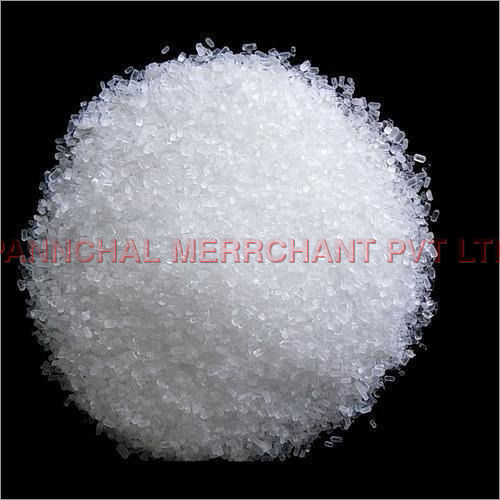
CALCIUM CHLORIDE
Price 1192.0 USD ($)/ Kilograms
CALCIUM CHLORIDE Specification
- Density
- 13 Tonne per cubic meter (t/m3)
- Ph Level
- 1% aqueous solution: pH 5 8 (nearly neutral)
- Molecular Weight
- 110.98 GSM (gm/2)
- Boiling point
- 1,935 C
- Structural Formula
- CaCl
- Purity
- High
- Other Names
- calcium chloride
- Taste
- Bitter
- Molecular Formula
- CaCl
- Storage
- Room Temperature
- Solubility
- In Water
- Melting Point
- 772 C
- Form
- Powder
- Smell
- Other
- HS Code
- 28272000
- Classification
- Inorganic Chemicals
- Chemical Name
- CaCl
- CAS No
- 10043-52-4
- Grade
- Industrial Grade
- Type
- CALCIUM CHLORIDE
- Usage
- Used in oil and gas drilling fluids
CALCIUM CHLORIDE Trade Information
- Minimum Order Quantity
- 50 Kilograms
- Supply Ability
- 222000 Kilograms Per Day
- Delivery Time
- 5 Days
- Sample Available
- No
- Main Export Market(s)
- Asia, Middle East
CALCIUM CHLORIDE About
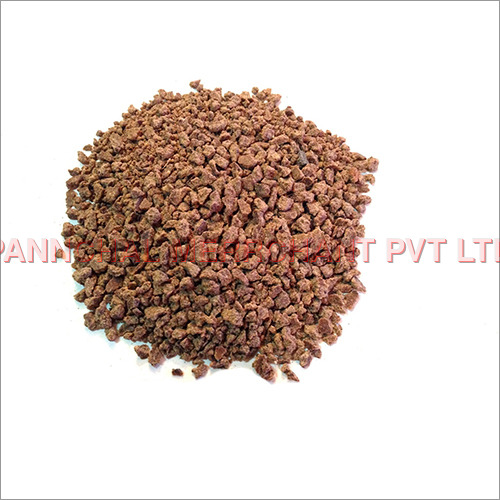
Calcium chloride is widely used across various industries, including food processing, pharmaceuticals, construction, oil & gas, water treatment, agriculture, and de-icing applications. In the food industry, food-grade calcium chloride is used as a firming agent, preservative, and flavor enhancer. Industrial-grade calcium chloride is commonly used for dust control, concrete acceleration, and as a desiccant.Versatile Intermediate Material for Recycling
Calcium chloride in its black powder or granular form is derived from spent lithium-ion batteries. As 'black mass,' it plays an essential role in the recovery and refining processes of critical metals used in battery manufacturing. Its high surface area enhances efficiency in hydrometallurgical and pyrometallurgical extraction procedures.
Eco-Friendly Solution for Metal Recovery
As an eco-friendly intermediate, calcium chloride supports a circular economy by enabling the sustainable recovery of metals from waste batteries. Through careful processing, it is converted into high-purity battery-grade compounds, minimizing environmental impact while supplying valuable raw materials to various industries.
Precision Handling and Storage
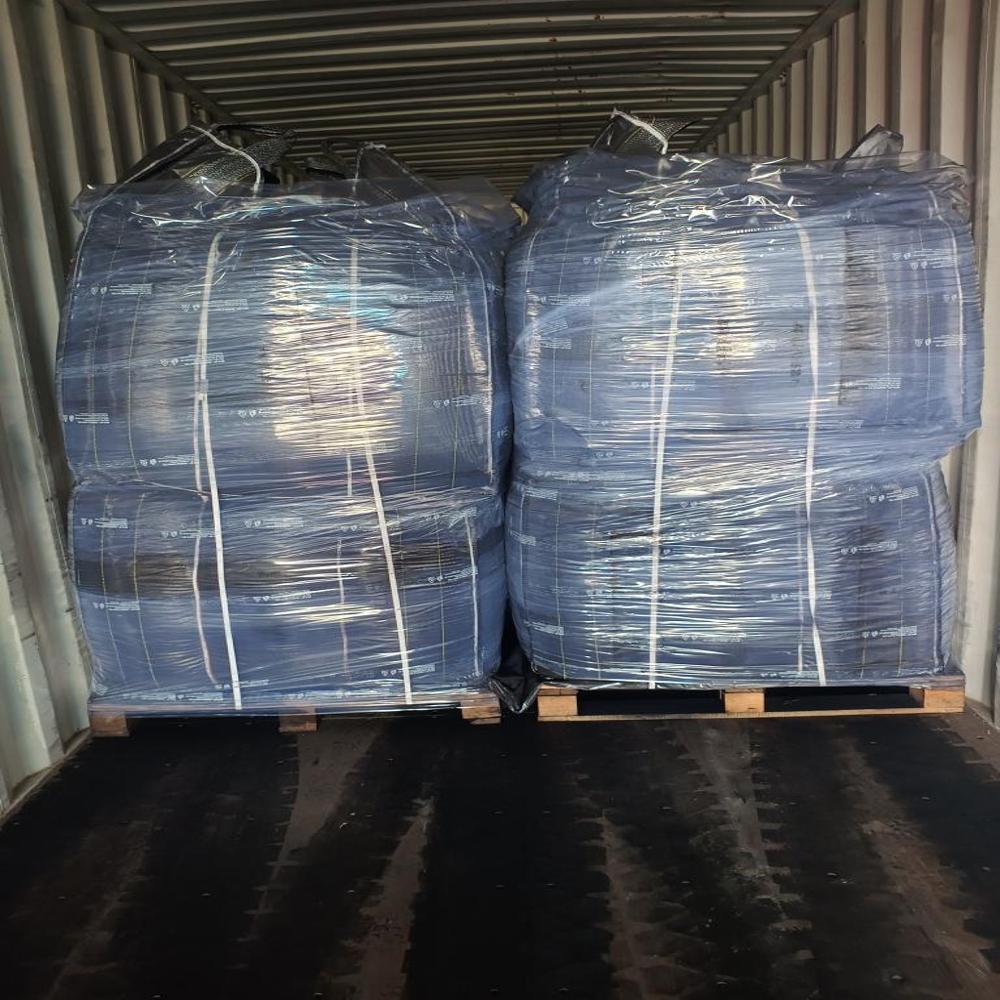
Given its industrial significance and application in sensitive processes, calcium chloride is stored and transported under controlled conditions to ensure consistent quality and safety. This diligence maintains product integrity, meets regulatory benchmarks, and supports further metallurgical advancements.
FAQ's of CALCIUM CHLORIDE:
Q: How is calcium chloride used in the recycling of lithium-ion batteries?
A: Calcium chloride, particularly in its black mass form, is utilized as an intermediate material obtained from shredded lithium-ion batteries. It serves as a feedstock for metal recovery and refining processes, enabling the extraction of valuable metals such as lithium, cobalt, nickel, manganese, and copper, which are essential for manufacturing new batteries and other industrial compounds.Q: What benefits does calcium chloride offer in metal extraction processes?
A: Thanks to its high surface area, calcium chloride facilitates efficient metal extraction in both hydrometallurgical and pyrometallurgical treatments. This property vastly improves the yield and purity of recovered metals, making it a preferred choice for industries focused on sustainable and cost-effective resource recovery.Q: Where is calcium chloride typically stored and how is its quality maintained?
A: Calcium chloride is stored at room temperature in designated, secure facilities to maintain its integrity and prevent contamination. Proper storage conditions and protocols are crucial to ensuring that the material retains its purity, stability, and effectiveness for use in metallurgical and refining applications.Q: When is calcium chloride most commonly used in the recycling process?
A: Calcium chloride is introduced after lithium-ion batteries are shredded, resulting in black mass containing valuable metals. This material is processed further during metal refining and recovery stages, where it acts as a medium or reagent for extracting pure metallic elements and compounds.Q: What makes this calcium chloride product eco-friendly?
A: This calcium chloride is derived from recycled batteries, supporting resource conservation and environmental sustainability. Its use in circular supply chains and its role in the transition to sustainable energy solutions help minimize waste and reduce the need for mining new raw materials.Q: Can calcium chloride be processed into high-purity compounds?
A: Yes, through advanced metallurgical processing, the black mass containing calcium chloride can be refined to yield high-purity battery-grade compounds. These compounds are suitable for use in battery manufacturing and other high-tech industry applications.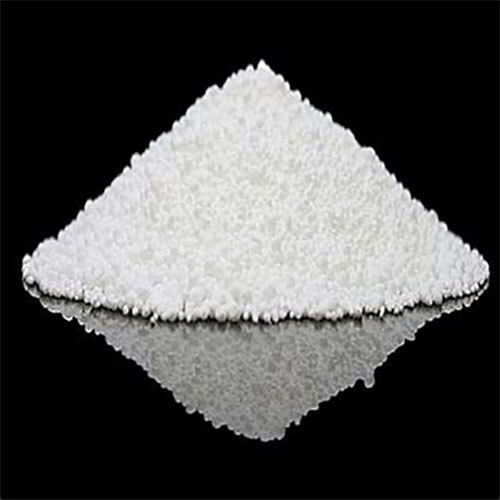

Price:
- 50
- 100
- 200
- 250
- 500
- 1000+

More Products in Industrial Chemical Category
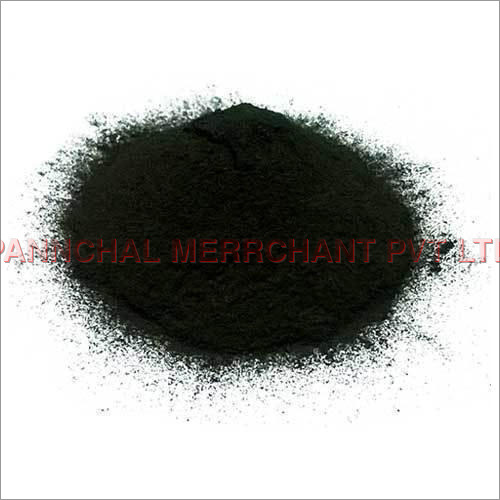
Manganese Oxide
Price 47 USD ($) / Piece
Minimum Order Quantity : 100 Pieces
Form : Solid
Grade : Industrial Grade
Type : Inorganic Chemical Compound
Storage : Other, Store in a cool, dry place, keep container tightly closed
Tyre Black Carbon Powder
Price 26.0 INR / Metric Ton
Minimum Order Quantity : 10 Metric Tons
Form : Powder
Grade : Industrial Grade
Type : Carbon Powder
Storage : Keep away from moisture

SODIUM ACETATE TRIHYDRATE
Price 18.0 INR / Kilograms
Minimum Order Quantity : 50 Kilograms
Form : Powder
Grade : Industrial Grade
Type : SODIUM ACETATE TRIHYDRATE
Storage : Room Temperature
Magnesium Sulphate
Price 45 USD ($) / Kilograms
Minimum Order Quantity : 100 Kilograms
Form : Other, Granule
Grade : Industrial Grade
Type : Magnesium Sulphate
Storage : Room Temperature




Contact Details
GST : 24AALCP0066B1ZU

 Send Inquiry
 |
PANNCHAL MERRCHANT PRIVATE LIMITED
All Rights Reserved.(Terms of Use) Developed and Managed by Infocom Network Private Limited. |
