







 Send Inquiry
Cadmium Oxide
Price 51 USD ($)/ Piece
Cadmium Oxide Specification
- Density
- 8.15 Gram per cubic centimeter(g/cm3)
- Solubility
- Insoluble in water; soluble in acids
- Poisonous
- Yes
- Form
- Solid
- Melting Point
- 900 °C
- Refractive Rate
- 2.47
- Shape
- Powder
- Smell
- Odorless
- Other Names
- Cadmium monoxide
- Purity
- 99% (typical)
- Molecular Weight
- 128.41 g/mol
- HS Code
- 28259010
- Structural Formula
- CdO
- Molecular Formula
- CdO
- Storage
- Store in tightly closed containers, dry and cool environment
- Boiling point
- 1557 °C
- Taste
- Odorless
- Classification
- Inorganic Chemical / Oxide
- Chemical Name
- Cadmium Oxide
- CAS No
- 1306-19-0
- EINECS No
- 215-146-2
- Grade
- Technical Grade
- Standard
- Complies with industry standards
- Type
- Inorganic compound
- Usage
- Industrial, laboratory, and manufacturing use
- Main Material
- Cadmium Oxide
- Application
- Used in electroplating, pigments, semiconductors, ceramics, and as a catalyst
- Moisture Content
- < 0.1%
- Packing
- Packed in HDPE drums or bags
- Stability
- Stable under recommended storage conditions
- Ecological Information
- Hazardous to aquatic environments
- Transport Information
- UN 2570, Class 6.1 (Toxic substances)
- Safety Precautions
- Handle using gloves, mask, and in well ventilated area
- Manufacturing Method
- Produced by oxidation of cadmium metal or thermal decomposition of cadmium nitrate
- Conductivity
- Semi-conductor properties
- Sensitivity
- Sensitive to moisture and acids
- Appearance
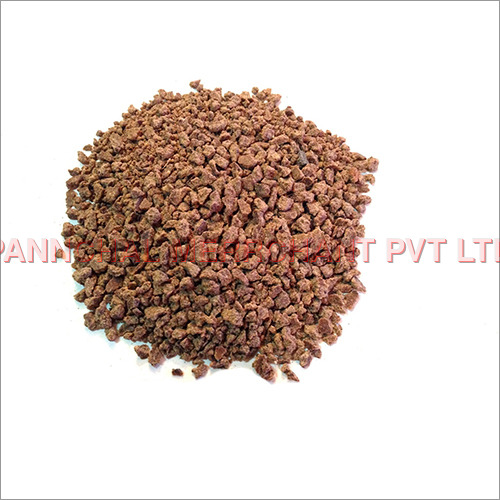
- Brownish-red crystalline powder
- Particle Size
- < 10 microns (typical)
- Shelf Life
- 2 years from date of manufacture
Cadmium Oxide Trade Information
- Minimum Order Quantity
- 100 Pieces
- Supply Ability
- 222000 Pieces Per Day
- Delivery Time
- 5 Days
- Main Export Market(s)
- Asia, Middle East
Cadmium Oxide About
Reliable Technical Grade Quality
This technical grade Cadmium Oxide adheres to stringent industry standards, providing consistent quality and reliable performance across various industrial applications. The crystalline powder is manufactured by controlled oxidation or thermal decomposition processes, ensuring purity and mitigation of impurities. Each batch undergoes rigorous testing to meet the required particle size, moisture content, and purity parameters.
Versatile Industrial Applications
Cadmium Oxide's unique properties, such as semi-conductivity and high melting point, make it indispensable in the production of electroplating materials, specialized pigments, ceramics, and as a catalyst. Its role spans across manufacturing, laboratory research, and export, enabling use in advanced technological processes and facilitating innovation in multiple fields.
Emphasis on Safety & Environmental Care
Given its toxicity and hazardous profile, handling Cadmium Oxide demands appropriate safety precautions, including gloves, masks, and well-ventilated areas. It is classified as a toxic substance under UN 2570, Class 6.1 for transport, necessitating compliance with regulatory standards. Furthermore, due to its threat to aquatic environments, responsible storage and disposal are emphasized to mitigate ecological risks.
FAQ's of Cadmium Oxide:
Q: How should Cadmium Oxide be stored to maintain its stability?
A: Cadmium Oxide should be stored in tightly closed containers in a cool, dry environment to preserve its stability and prevent moisture or acid exposure, which it is sensitive to.Q: What industrial processes utilize Cadmium Oxide, and how does it benefit these applications?
A: Cadmium Oxide is used in electroplating, pigment formulation, ceramic production, as a semiconductor, and as a catalyst. Its properties, such as high purity, conductivity, and thermal stability, offer enhanced performance and efficiency in these sectors.Q: When is the shelf life of Cadmium Oxide likely to expire?
A: The shelf life of Cadmium Oxide is two years from the date of manufacture, provided it is stored under recommended conditions to prevent degradation.Q: Where is Cadmium Oxide typically manufactured and supplied from?
A: Cadmium Oxide is produced, exported, and supplied by manufacturers, exporters, suppliers, and traders, predominantly in India, adhering to international industry standards.Q: What safety precautions are necessary when handling Cadmium Oxide?
A: It is important to handle Cadmium Oxide using protective gloves, masks, and in a well-ventilated area due to its toxic nature and potential harm through inhalation or ingestion.Q: How is Cadmium Oxide produced industrially?
A: Cadmium Oxide is manufactured either by the oxidation of cadmium metal or through the thermal decomposition of cadmium nitrate, yielding a high-purity, technical grade crystalline powder.Q: What measures should be taken to mitigate the ecological impact of Cadmium Oxide?
A: Since Cadmium Oxide is harmful to aquatic environments, it should be managed carefully to prevent release into water sources, and follow local regulations for safe disposal and containment.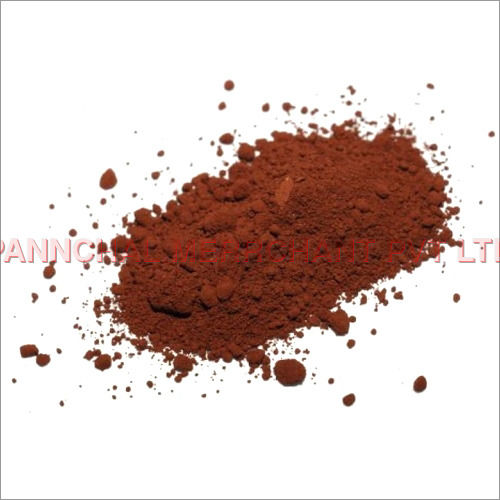

Price:
- 50
- 100
- 200
- 250
- 500
- 1000+

More Products in Industrial Chemical Category
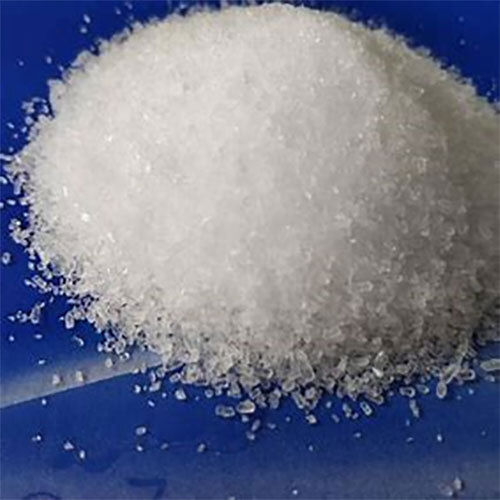
MAGNESIUM SULPHATE HEPTAHYDARTE
Price 2150 USD ($) / Kilograms
Minimum Order Quantity : 100 Kilograms
Storage : Room Temperature
Form : Solid
Type : MAGNESIUM SULPHATE HEPTAHYDARTE
Grade : Industrial Grade
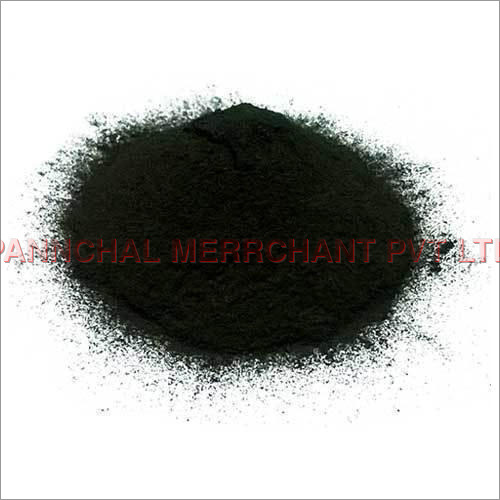
Manganese Oxide
Price 47 USD ($) / Piece
Minimum Order Quantity : 100 Pieces
Storage : Other, Store in a cool, dry place, keep container tightly closed
Form : Solid
Type : Inorganic Chemical Compound
Grade : Industrial Grade
Manganese Carbonate
Price 17 USD ($) / Piece
Minimum Order Quantity : 100 Pieces
Storage : Other, Store in a cool, dry place, tightly sealed
Form : Solid
Type : Inorganic Compound
Grade : Industrial Grade
Marigold Extracts
Price 55 USD ($) / Piece
Minimum Order Quantity : 5000 Pieces
Storage : Other, Cool, dry place, away from direct sunlight
Form : Powder
Type : Extract
Grade : Other, Food/Pharmaceutical Grade




Contact Details
GST : 24AALCP0066B1ZU

 Send Inquiry
 |
PANNCHAL MERRCHANT PRIVATE LIMITED
All Rights Reserved.(Terms of Use) Developed and Managed by Infocom Network Private Limited. |
